workspace_premiumCurator-picked

Best of Cappadocia

Our local curators' top ten in every category — cave hotels, cave-cut restaurants, sunrise balloon flights and the valleys in between. Each list blends hands-on local expertise with thousands of real traveller reviews.

attractions

Attractions

Our top 10 picks

Göreme Open Air Museum1
No. 1

Göreme Open Air Museum

location_onGöreme

Mid-range
format_quoteWhy we picked it

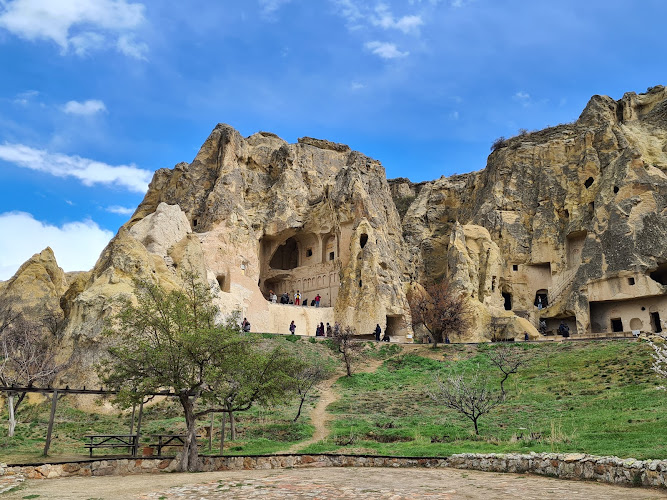
The Göreme Open-Air Museum is Cappadocia's single most important sight and a UNESCO World Heritage site, a cluster of rock-cut Byzantine churches and monasteries carved into the tuff between roughly the 10th and 12th centuries. We picked it because the frescoes here, especially in the Dark Church (Karanlık Kilise), are among the best-preserved in the region thanks to the little light that reached them. Go early, before the tour buses, and budget the small extra ticket for the Dark Church, it's worth it. Wear proper shoes for the uneven rock steps and give yourself a couple of hours to take it slowly.
Goreme Historical National Park2
No. 2

Goreme Historical National Park

location_onÜrgüp

format_quoteWhy we picked it

A UNESCO-listed open-air museum where Byzantine frescoes, underground towns, and iconic fairy chimneys converge - the essential anchor for any Cappadocia itinerary.

Kaymakli Underground City3
No. 3

Kaymakli Underground City

location_onKaymaklı

Budget
format_quoteWhy we picked it

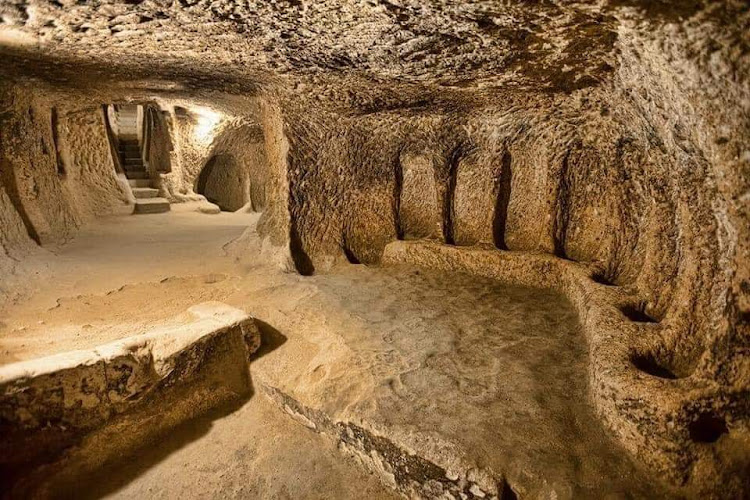
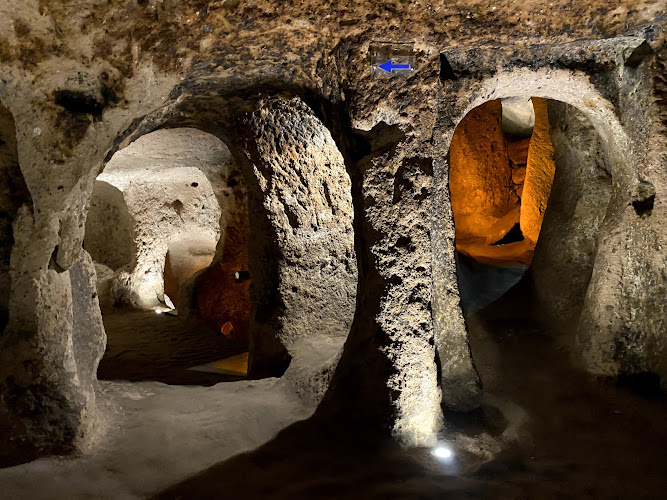
Kaymaklı Underground City is one of Cappadocia's astonishing subterranean towns, a multi-level warren of carved tunnels, stables, kitchens, wine presses and chapels where whole communities sheltered from raiders. We picked it over its deeper neighbour Derinkuyu for travellers who find tight, low passages a little less daunting, its galleries feel wider and more navigable. It's part of the same UNESCO World Heritage landscape and just as atmospheric, with the great round stone doors that once sealed each level. Bring a light jacket, it's cool below, and skip it if you're strongly claustrophobic, as the connecting tunnels are genuinely low and narrow.

Derinkuyu Underground City4
No. 4

Derinkuyu Underground City

location_onDerinkuyu

Budget
format_quoteWhy we picked it

Derinkuyu is the deepest of Cappadocia's underground cities, descending some eight levels and once capable of sheltering thousands of people along with their livestock. We picked it for the sheer scale and the engineering: ventilation shafts that still draw fresh air, a deep well, communal kitchens, a church and the famous rolling stone doors that locked each floor from the inside. Part of the UNESCO landscape, it's a genuinely jaw-dropping feat of ancient survival architecture. Go with a guide to understand what you're seeing, bring a layer for the cool air, and be honest with yourself about the steep, narrow, low descents if you don't love enclosed spaces.

Uchisar Castle5
No. 5

Uchisar Castle

location_onUçhisar

Budget
format_quoteWhy we picked it

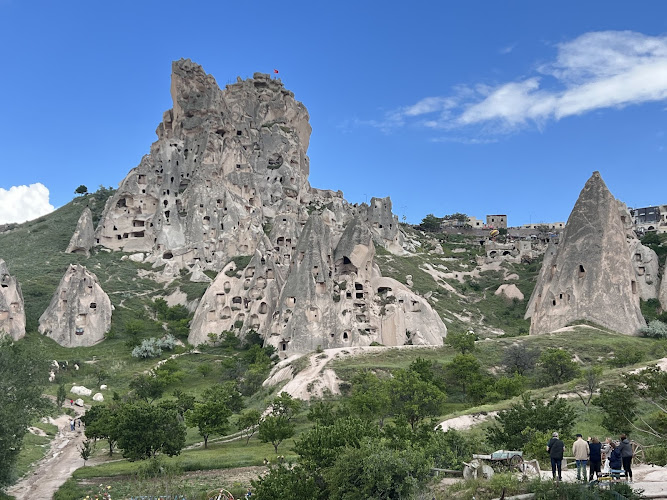
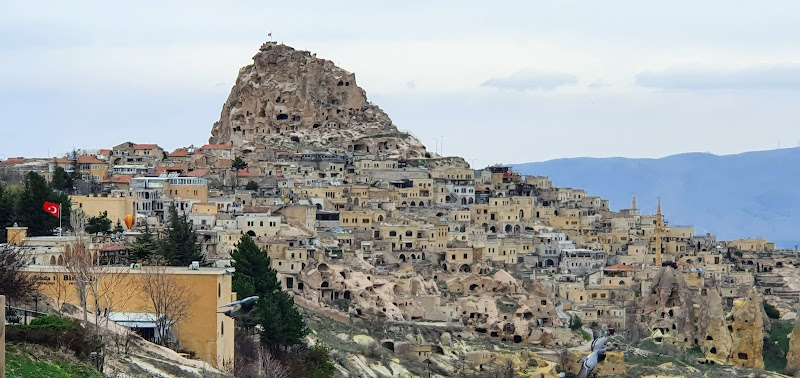
Uçhisar Castle isn't a castle in the usual sense, it's the tallest rock outcrop in Cappadocia, honeycombed with tunnels and rooms and once used as a natural fortress and refuge. We picked it for the view: from the top you get one of the finest 360-degree panoramas over the whole region, with the valleys fanning out and Mount Erciyes on the horizon. Climb up for sunset, when the tuff glows gold and the village below softens, it's one of the most romantic moments in Cappadocia. The final stairs are steep and exposed, so take it steady and bring a layer for the wind at the top.

Ihlara Valley6
No. 6

Ihlara Valley

location_onIhlara

Budget
format_quoteWhy we picked it

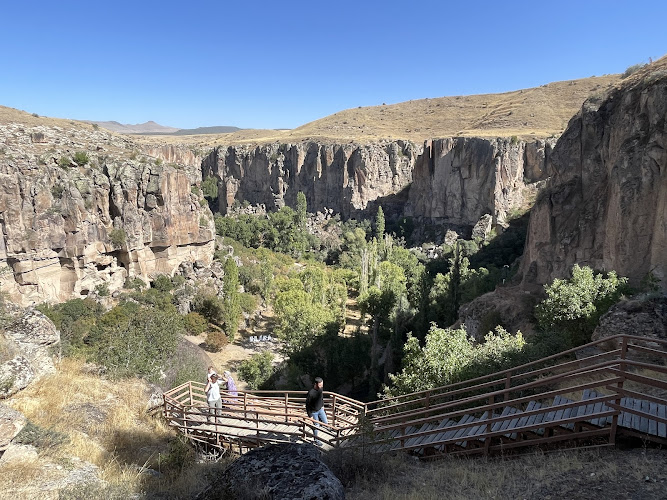
Ihlara Valley is Cappadocia's great green escape, a roughly 14-kilometre canyon cut by the Melendiz river, its walls lined with shady poplars and dozens of rock-cut Byzantine churches still bearing frescoes. We picked it as the antidote to the dusty plateaus: cool, leafy and full of birdsong, with the river running beside the trail the whole way. The classic walk is the shorter middle stretch from Ihlara village down to Belisırma, a flat couple of hours past the most painted churches, with a riverside cafe to rest at. It's about an hour by car from Göreme, so pair it with Derinkuyu or Selime on a south-Cappadocia day.

Paşabağ Vadisi7
No. 7

Paşabağ Vadisi

location_onÇavuşin

format_quoteWhy we picked it

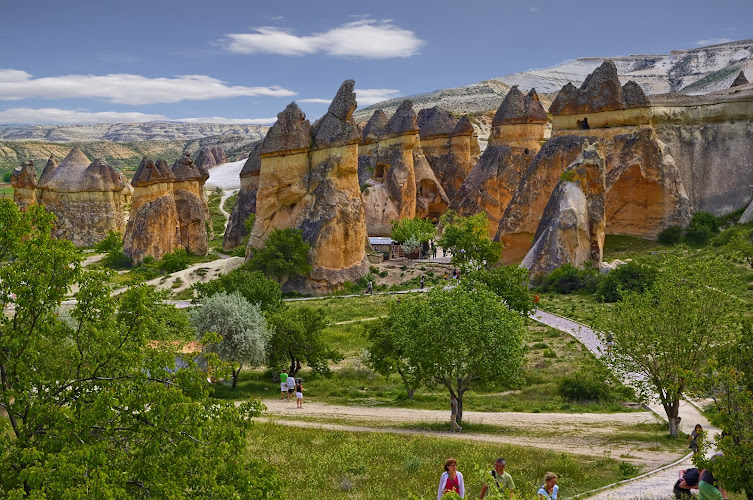
Paşabağ, often called Monks Valley, has Cappadocia's most extraordinary fairy chimneys, tall cones crowned with two or even three separate caps, a shape found almost nowhere else on earth. We picked it because it pairs that geological oddity with real history: Byzantine hermit monks carved cells and chapels into the chimneys, including one dedicated to Saint Simeon, the stylite who lived atop a pillar. It's compact and easy to wander in under an hour, which makes it a perfect stop between Avanos and Zelve. Come in the softer light of early morning or late afternoon, when the cones cast long shadows and the crowds thin out.

Zelve Open Air Museum8
No. 8

Zelve Open Air Museum

location_onAvanos

Budget
format_quoteWhy we picked it

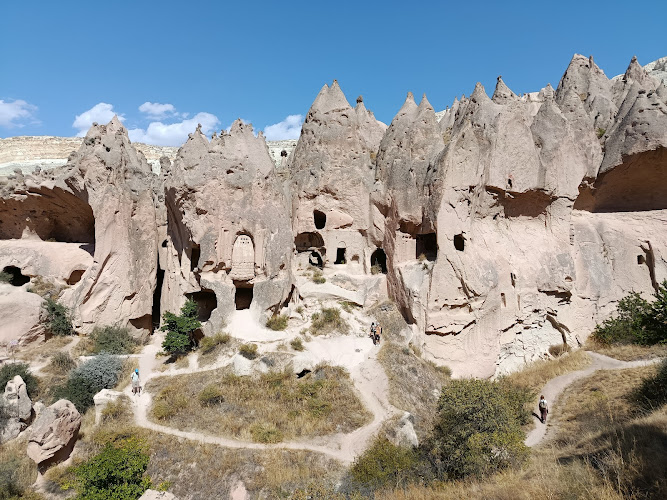
Zelve Open-Air Museum is a ghost town of three interlocking valleys where people actually lived in the caves, right up until erosion forced them out in the 1950s. We picked it as the down-to-earth counterpart to Göreme: less about painted churches and more about everyday cave life, with homes, kitchens, dovecotes, a rock-cut mosque and a small monastery all carved into the cliffs. It's wonderfully atmospheric and far quieter than the headline sites, so you can wander and explore at your own pace. Wear good shoes for the rocky paths, bring a torch for the darker tunnels, and skip the lowest collapsed sections, which can be unstable.

Pigeon Valley9
No. 9

Pigeon Valley

location_onGöreme

Budget
format_quoteWhy we picked it

Pigeon Valley is the scenic trail that links Göreme to the hilltop village of Uçhisar, named for the thousands of dovecotes that locals carved into the soft rock to harvest pigeon droppings as fertiliser. We picked it as the easiest way to actually walk through Cappadocia's landscape rather than just look at it, a gentle few kilometres of cave dwellings, pigeon houses and earth pillars. The full route is roughly four kilometres and mostly flat, with a short climb up to Uçhisar at the end where the famous evil-eye tree and big views wait. Wear sturdy shoes, carry water in summer, and walk it in the cooler morning or late afternoon.

Love Valley Cappadocia10
No. 10

Love Valley Cappadocia

location_onGöreme

local_fire_department93Googlestar4.7(646)
Budget
format_quoteWhy we picked it

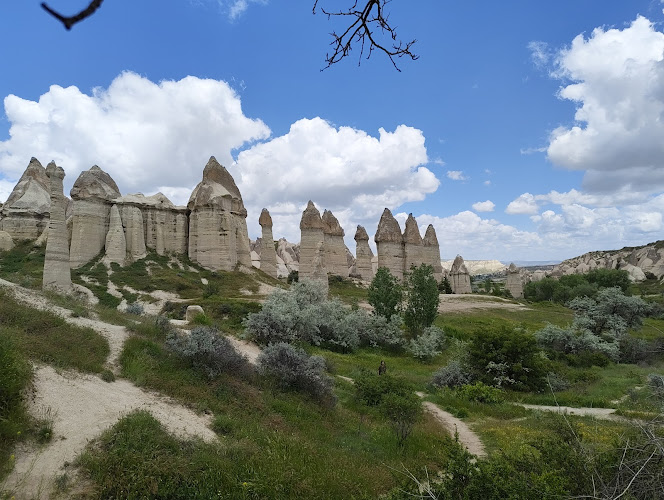
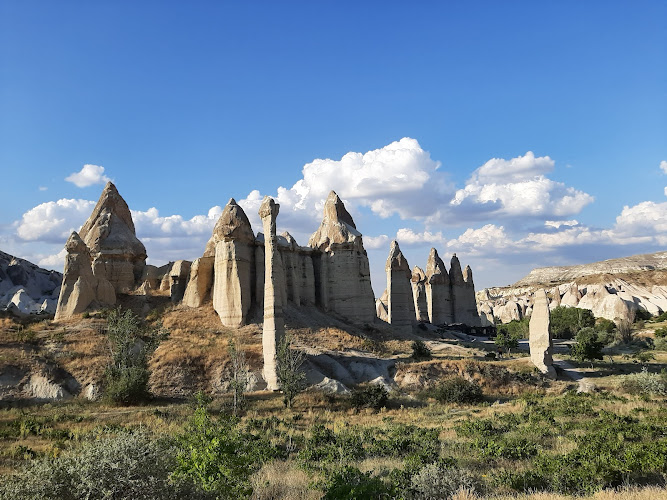
Love Valley's tall, phallic rock columns are Cappadocia's most playful geological spectacle - best explored on foot or by horse along the valley floor.

map

Turn these into your own itinerary

Tell us your dates, style and budget — we'll weave these picks into a day-by-day Cappadocia plan made just for you.

Plan my triparrow_forward